Support Groups: Safe Spaces for Connection, Learning, and Growth
What are Support Groups?
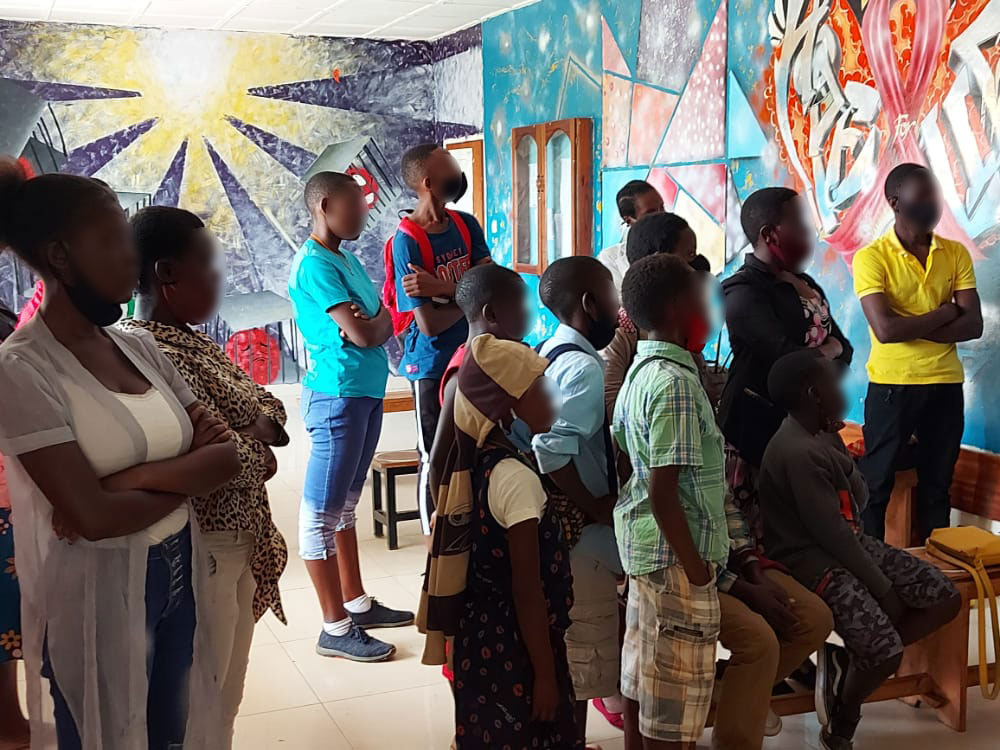
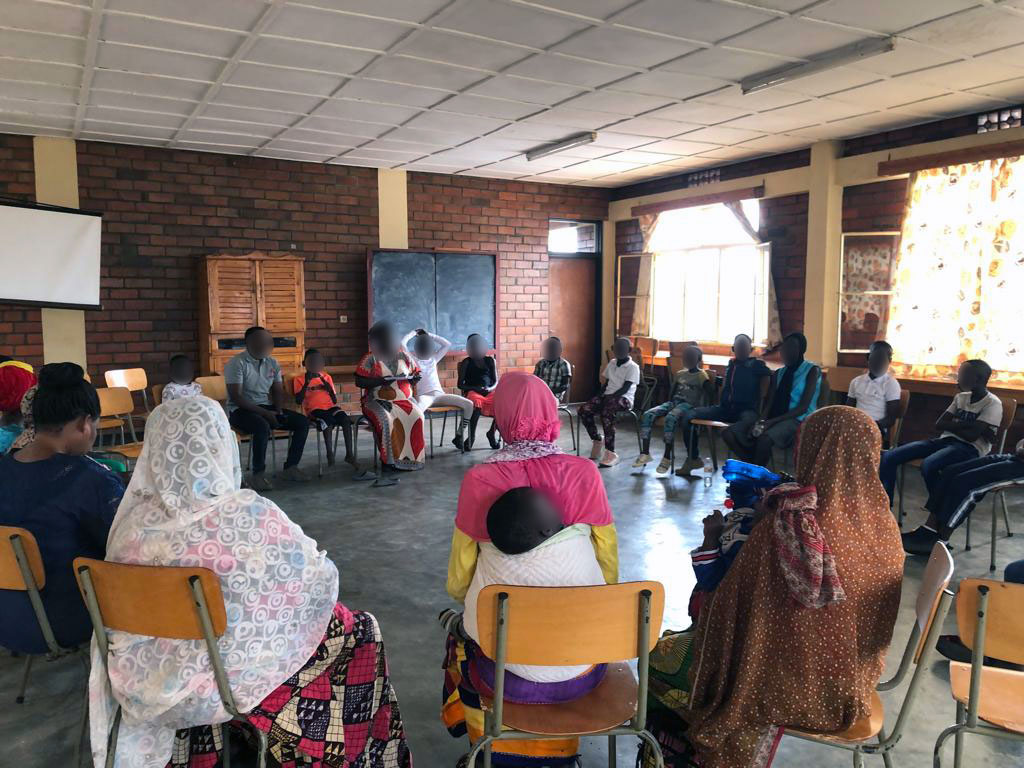
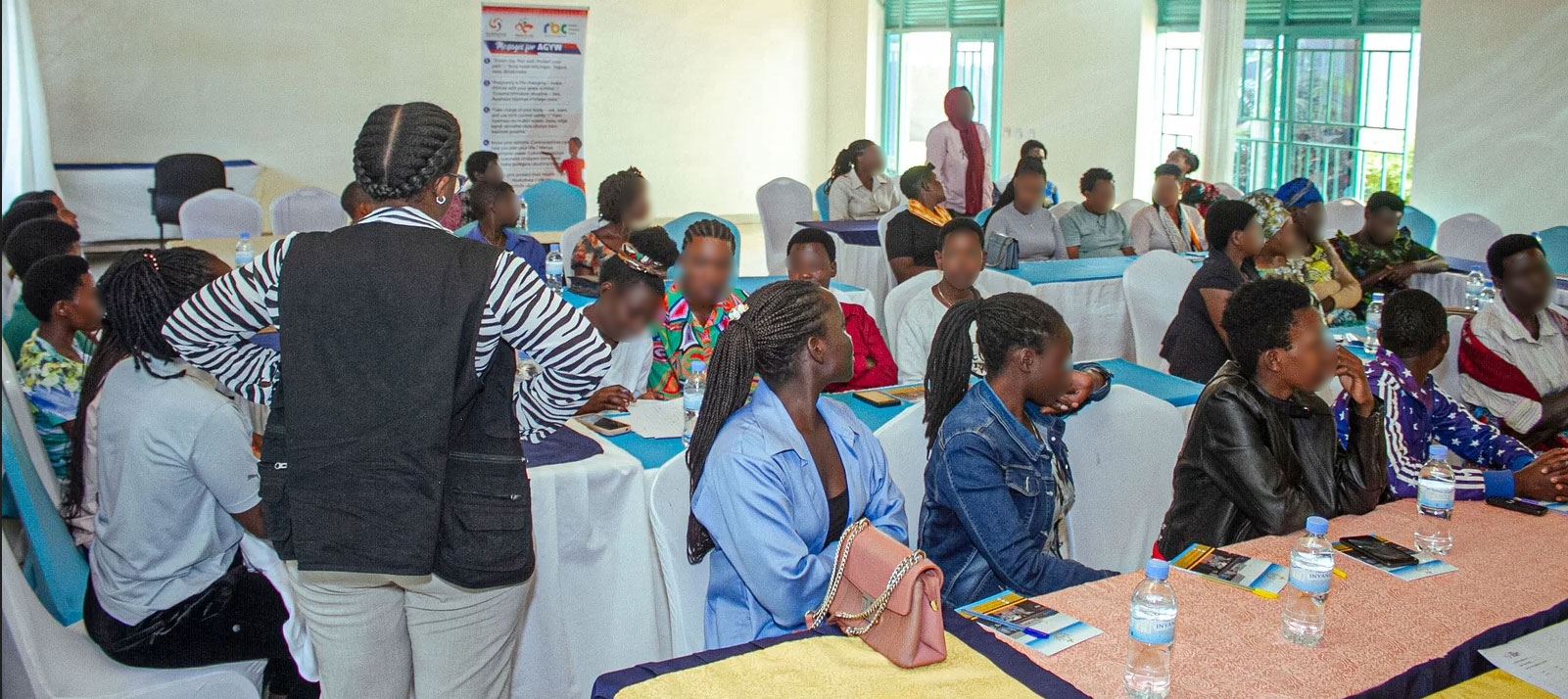
Living with HIV can bring questions, fears, stigma, and challenges that are difficult to face alone. Dream Village Rwanda’s Support Groups create safe, welcoming spaces where young people can connect with peers who understand their experiences, learn practical life skills, and receive emotional support.
Our support groups are facilitated by trained Community Adolescent Treatment Supporters (CATS) and health professionals who help participants strengthen treatment adherence, improve wellbeing, and develop positive life goals.
Why Support Groups Matter
Young people are more likely to engage in care and maintain treatment when they feel understood and supported.
Support groups help participants:
– Build confidence and self-esteem
– Improve medication adherence
– Learn healthy coping strategies
– Reduce stigma and isolation
– Develop leadership and communication skills
– Strengthen social support networks
– Access accurate HIV information
Through peer support, young people realize they are not alone and that a healthy, productive future is possible.
What happens in our Support Groups
Each support group session combines education, discussion, and personal development.
Topics include:
Understanding treatment, viral suppression, medication routines, and long-term health management.
Building resilience, managing stress, self-esteem, and emotional wellness.
Age-appropriate discussions on relationships, family planning, sexuality, and healthy decision-making.
Communication, goal setting, financial literacy, problem solving, and personal development.
Building confidence to challenge stigma and become advocates within communities.
Our Approach
Dream Village’s support group model is built on the belief that young people learn best from other young people who have shared experiences.
Support groups are:
– Facilitated by trained CATS peer supporters
– Linked to health facilities and HIV care services
– Youth-friendly and confidential
– Integrated with psychosocial support services
– Aligned with Rwanda’s national HIV response
This approach contributes to stronger treatment outcomes and healthier communities.
Specialised Support Groups
Dream Village facilitates different types of support groups depending on participant needs.
For children and adolescents living with HIV.
Focused on independence, relationships, careers, and long-term health management.
Providing specialized support for pregnant and breastfeeding young women living with HIV.
Safe spaces addressing self-worth, anxiety, depression, and psychosocial wellbeing.
IMPACT OF SUPPORT GROUPS
Support groups contribute to:
These outcomes support Dream Village’s broader goal of empowering young people as agents of social change.
Who can join?
Support groups are available to:
– Children living with HIV
– Adolescents living with HIV
– Young adults living with HIV
– Young mothers receiving HIV care
– Participants enrolled in Dream Village programs
Participation is voluntary, confidential, and free.