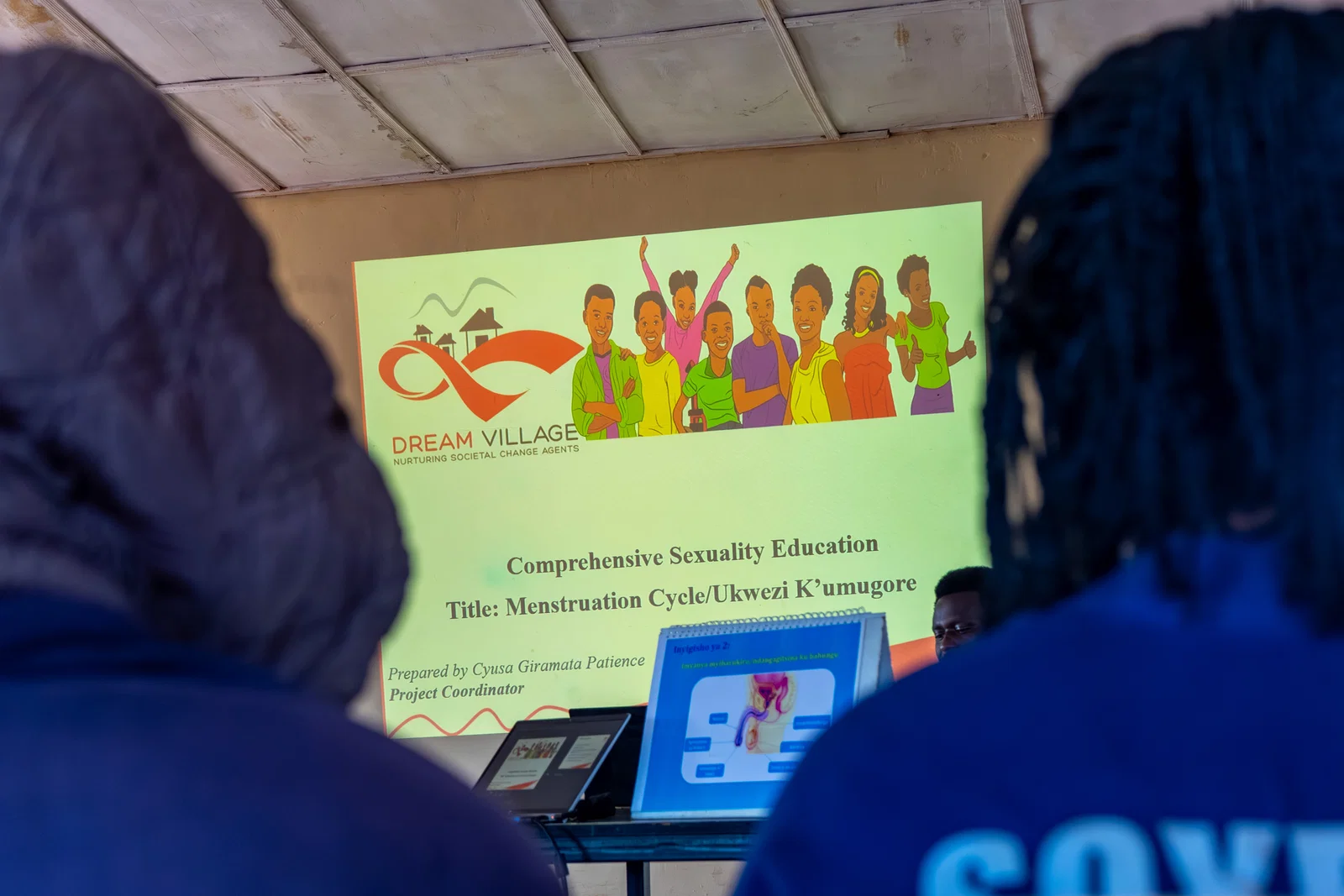
Comprehensive Sexuality Education

Equipping young people with knowledge, skills, and confidence to make informed health decisions.
CSE Youth Dialogue Youth Members

Knowledge That Drives Behavior Change

Evidence-based education improving youth health outcomes.
SOYEE Gatsibo SRH Activity

Dream Village delivers Comprehensive Sexuality Education (CSE) in partnership with Health Development Initiative Rwanda and supported by SIDA.
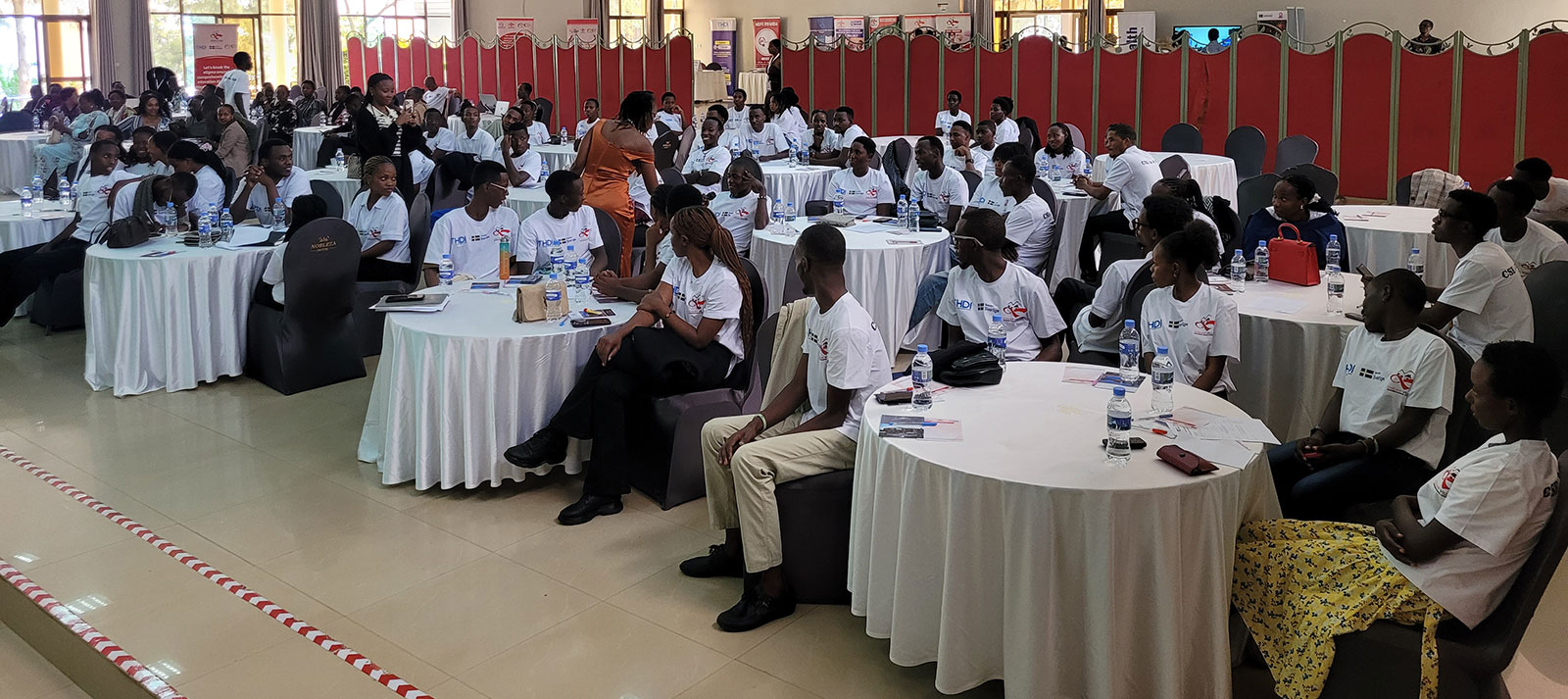
Our approach provides accurate, age-appropriate, and rights-based education that helps young people understand their health, relationships, and choices.

What is Comprehensive Sexuality Education?

More than information. A foundation for informed decision-making.

CSE goes beyond basic biology. It builds:

– Knowledge about the body, HIV, and health
– Attitudes that reduce stigma and promote respect
– Skills for communication, decision-making, and relationships

It recognizes that young people need not only information, but also the ability and confidence to use it.

Why CSE Matters in Rwanda

Addressing real barriers to youth health.

Young people face multiple challenges:

– Limited access to accurate information
– Stigma around sexual health
– Gender inequality and social pressure

CSE addresses these by combining knowledge with practical skills and rights awareness, enabling young people to make safer and more informed choices.

Our CSE Implementation

Delivered across health facilities, schools, and communities.

Dream Village implements Phase II CSE across:

What We Teach

A comprehensive, structured curriculum.
Anatomy and Physiology

Understanding the body, puberty, and reproductive health.

HIV and STI Prevention

Transmission, prevention methods, testing, and treatment including U=U.

Sexual and Reproductive Health Rights

Consent, bodily autonomy, non-discrimination, and access to services.

Relationships and Communication

Healthy relationships, negotiation skills, and communication.

Mental and Emotional Health

Managing stress, addressing stigma, and accessing support.

Social and Economic Factors

Understanding how poverty and inequality affect health decisions.

From Knowledge to Behavior Change

Why education alone is not enough.

CSE is most effective when combined with:

– Peer support (CATS model)
– Access to health services
– Economic empowerment

This integrated approach enables real behavior change, not just awareness.

Supporting Rwanda’s National Health Strategy

Contributing to long-term development goals.

CSE supports:

– Rwanda’s National Strategic Plan for Health
– HIV prevention targets
– Youth empowerment and education goals

Education That Empowers, Not Controls

A rights-based, non-judgmental approach.

Dream Village’s CSE is:

– Evidence-based
– Rights-focused
– Non-coercive

We empower young people with knowledge and support them in making informed decisions without stigma or judgment.

Delivered with National and Global Partners

Aligned with Rwanda’s policies and global standards.

Dream Village delivers CSE in partnership with:

This ensures alignment with national education frameworks and international best practices.
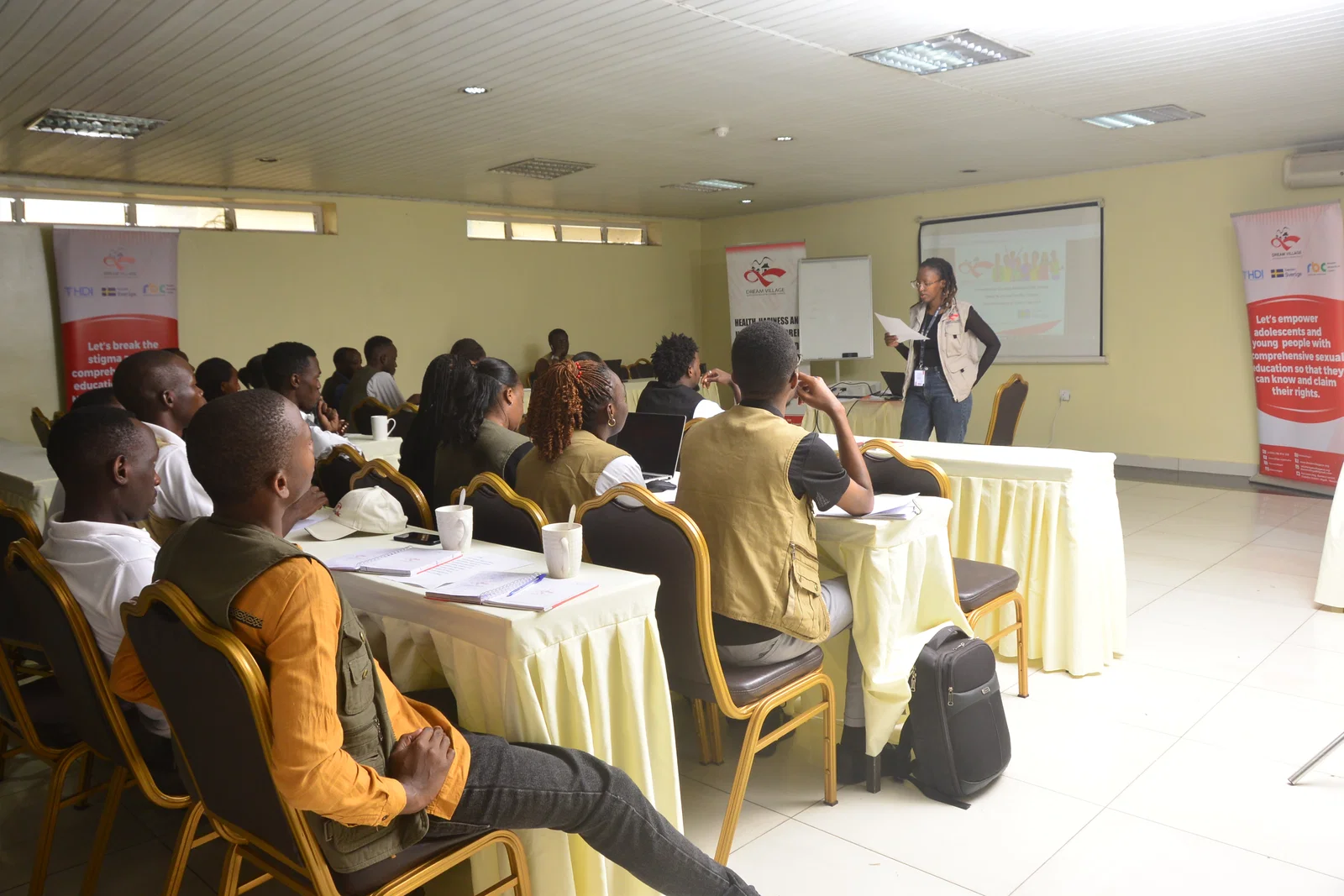
Orientation Meeting for DV ()

Support Youth Education in Rwanda

Invest in knowledge that transforms lives.

Frequently Asked Questions

It is an evidence-based program that provides young people with information and skills related to sexual and reproductive health, relationships, and decision-making.

CSE provides accurate information about HIV transmission and prevention, helping young people reduce risk and make informed choices.

CSE is delivered by trained educators, peer supporters, and teachers trained by Dream Village in partnership with HDI.

Yes. Dream Village’s CSE aligns with national health and education strategies and is implemented with government-approved partners.

CSE targets young people aged 10 to 24, with age-appropriate content tailored to different groups.

CSE builds communication, decision-making, and negotiation skills, enabling young people to apply what they learn in real life.

Yes. HIV prevention, testing, treatment, and concepts like U=U are core parts of the curriculum.

CSE includes education on consent, rights, and healthy relationships, helping prevent violence and support survivors.

CSE is supported through partnerships with organizations such as SIDA and implemented with HDI.

Yes. Programs are adapted to local context while maintaining global best practices.

Yes. Through government integration and partnerships, CSE can be expanded to more schools and communities.

It helps them understand their health, relationships, and reproductive choices while reducing stigma.

CSE works alongside CATS, SRHR services, and economic empowerment programs to create comprehensive support.

CSE is a cost-effective way to prevent HIV, reduce health risks, and empower young people with lifelong skills.

Organizations can support funding, implementation, or research related to CSE programs.