CATS Model: A Proven Youth-Led System Transforming HIV Outcomes
A peer-driven approach improving adherence, reducing misconceptions, and achieving 84% viral suppression among young people living with HIV in Rwanda.
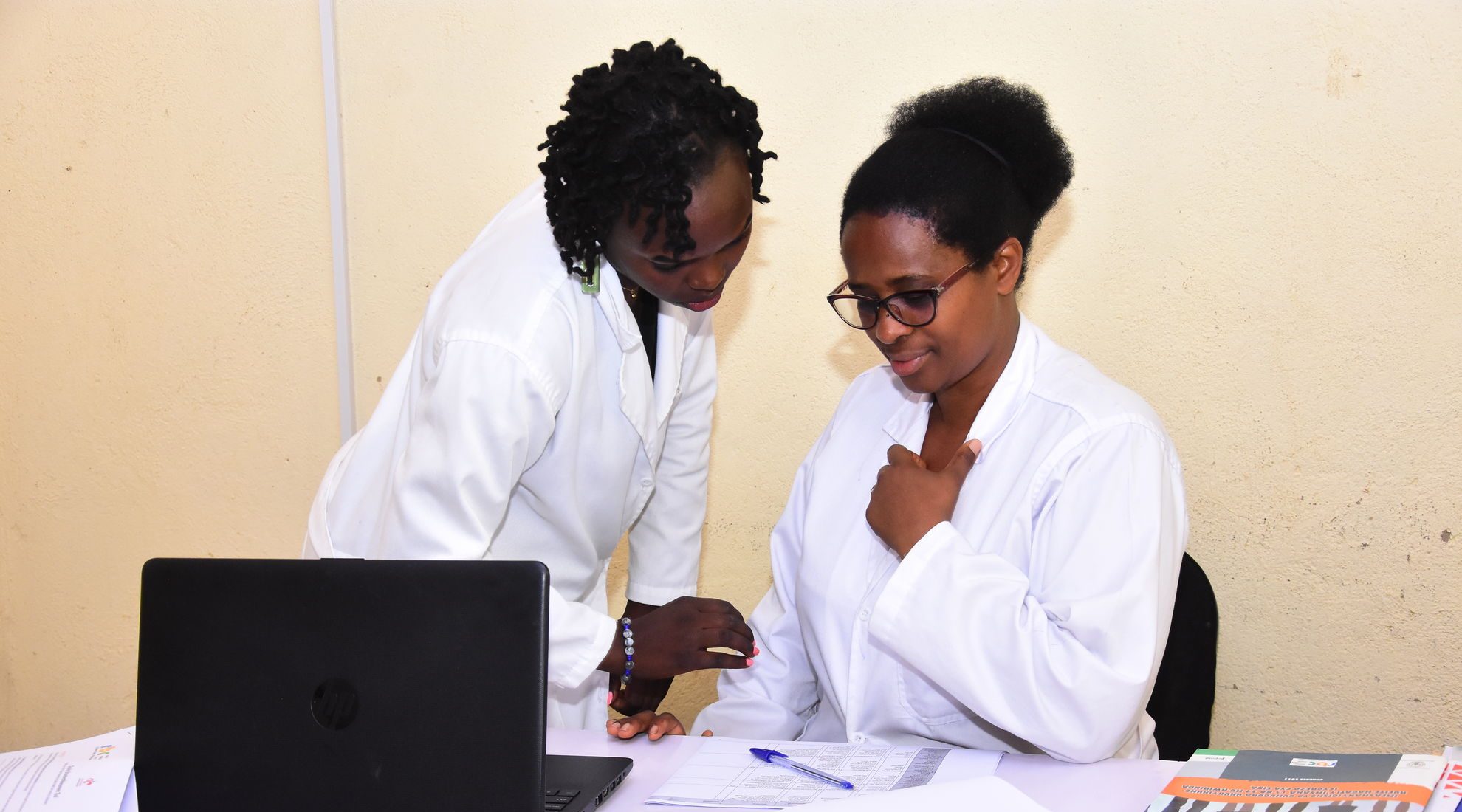
two cats discussing about results of tests

What is the CATS Model?

A peer-led system connecting young people to care, support, and long-term health outcomes.
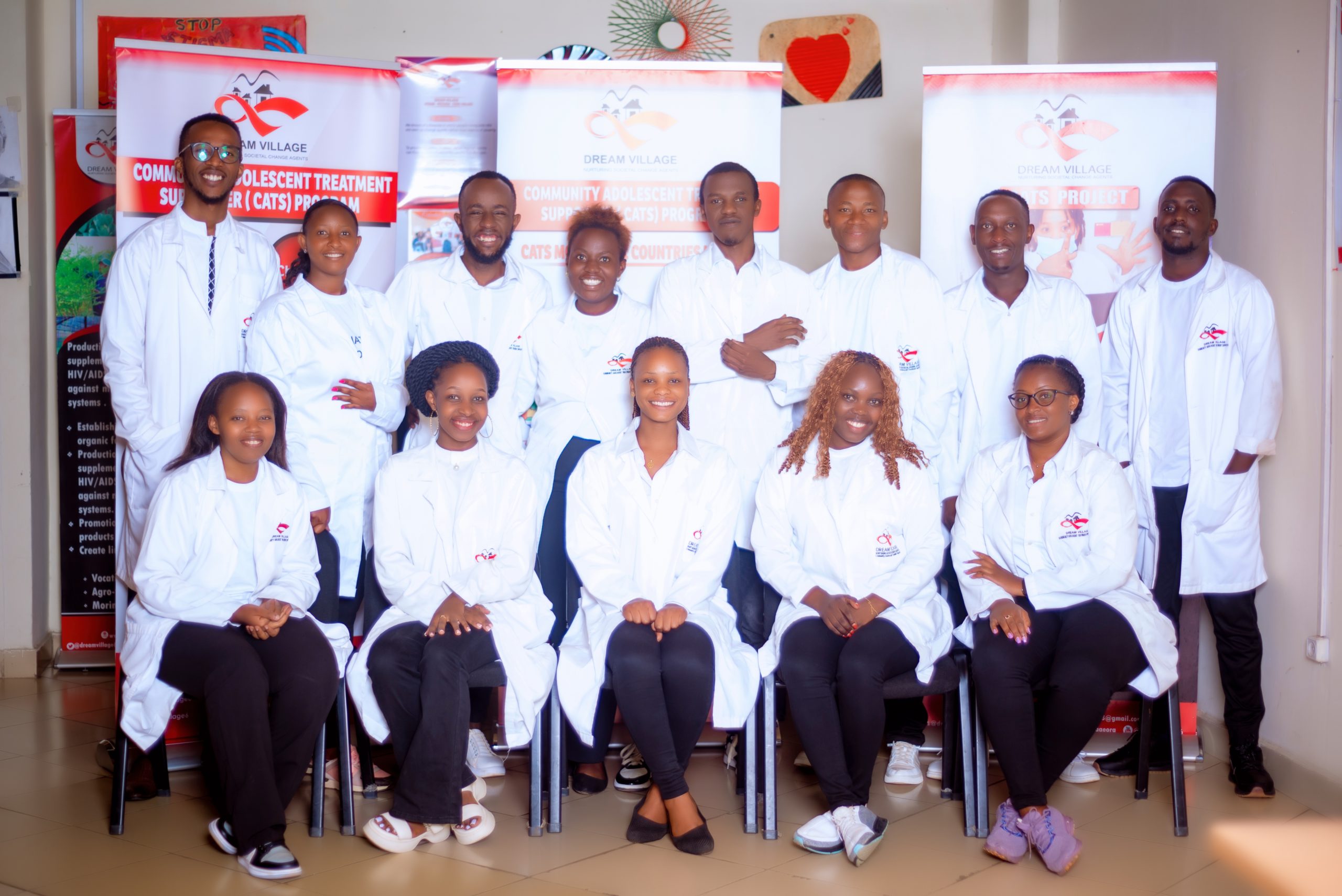
dream village CATS group image

The Community Adolescent Treatment Supporters (CATS) model is one of Rwanda’s most effective approaches to supporting young people living with HIV.

Adapted from Zvandiri/Africaid’s model in Zimbabwe, Dream Village has implemented CATS across 12 health facilities in 3 Kigali districts, achieving strong health outcomes and reaching thousands of young people.

How the CATS Model Works

Young people supporting young people through trust, and structured care.

The CATS model trains young people living with HIV, aged 18 to 30, to act as peer supporters within health facilities and communities.

They provide:

– Peer counselling
– Treatment adherence support
– Psychosocial care
– Mental health support
– Linkage to HIV and health services

These services support children, adolescents, and young people aged 0 to 27 living with HIV.

Why the CATS Model Works

Addressing the real barriers behind HIV treatment adherence.

Traditional approaches treat adherence as a clinical issue. The CATS model recognizes it as a social challenge.

Young people often struggle due to stigma, fear, lack of understanding, mental health challenges, or economic barriers.

Peer supporters address these challenges directly through trust, empathy, and practical support.

The result is improved engagement, better adherence, and stronger long-term outcomes.

CATS in Rwanda

Delivering peer-led HIV support across health facilities and communities.

Dream Village deploys 12 trained CATS workers across 12 health facilities in 3 Kigali districts.

Each worker supports over 200 young people through facility-based and community-based interventions.
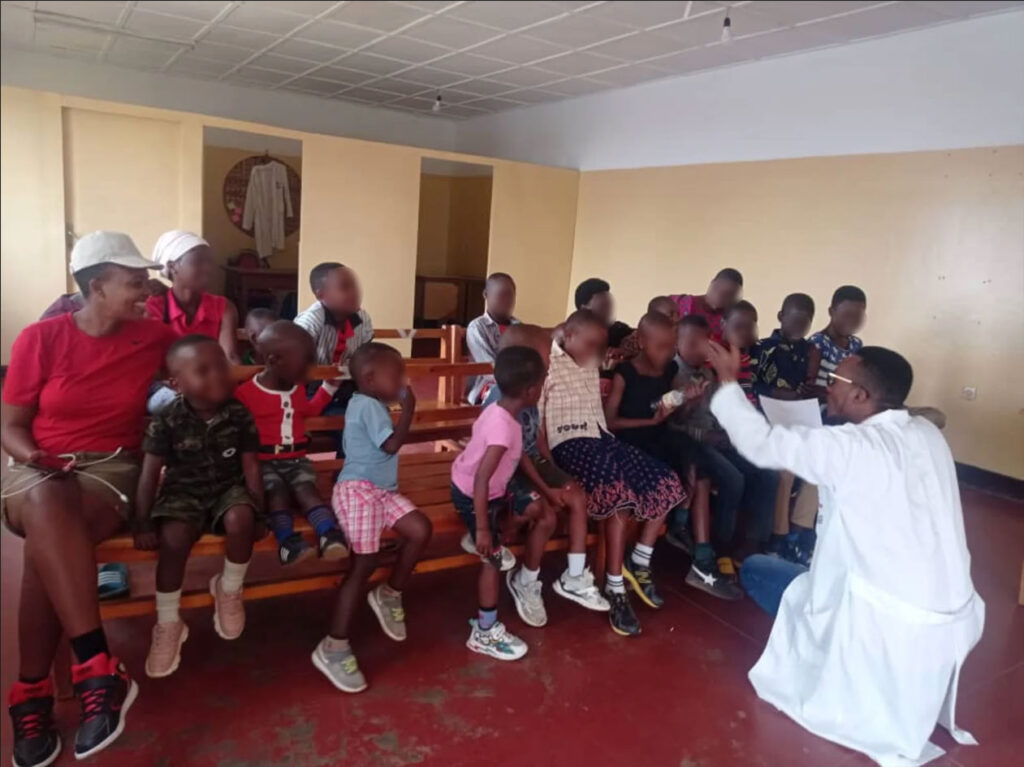
CATS Support Groups
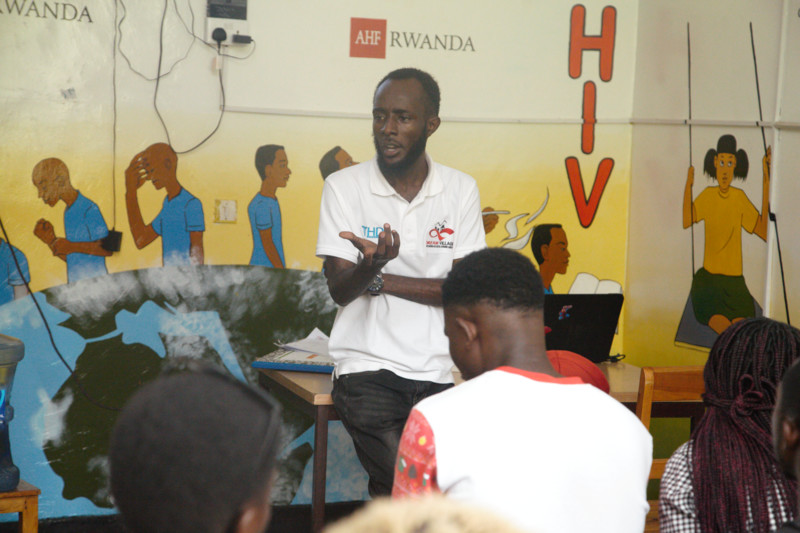
cats member speaking to beneficiaries in a class

Key Results (Q1 2025)

– 3,582 health centre contacts
– 335 home visits
– 2,896 young people served
– 325 youth tested for HIV
– 42 newly identified and linked to care
– 84% viral suppression rate

Health Facilities We Serve

CATS support delivered across key facilities in Kigali.
CMS Biryogo Health Center
Cor-Unum Health Center
Nyarugunga Health Center
Gahanga Health Center
Kabuga Health Center
Kinyinya Health Center
CMS Gikondo Health Center
Remera Medicalised Health Center
Kacyiru Health Center
Kabusunzu Health Center
Rwampara Health Center
Kicukiro Health Center

Government-Endorsed and Nationally Scalable

Recognized as a model for strengthening Rwanda’s HIV response.

The Rwanda Biomedical Centre has endorsed the CATS model for national scale.

The Ministry of Health has allocated youth corners in health facilities for Dream Village to implement CATS, especially in areas with low viral suppression rates.

Dream Village also participates in Technical Working Groups shaping national HIV strategy and implements government-supported programs such as AGYW.
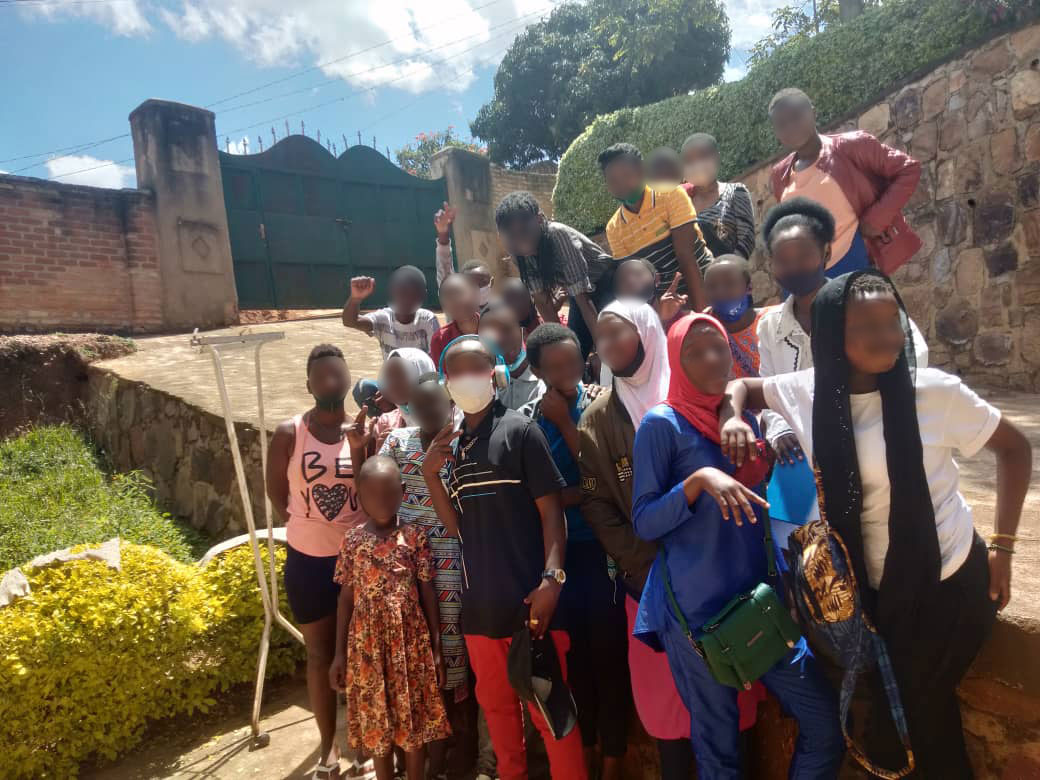
CATS group community

A System That Works at Three Levels

From community support to national influence.
Community Level

CATS peer supporters provide direct service to youth through home visits, peer support groups, facility contacts, and referrals to services.

System Level

Dream Village trains health facility staff on youth-friendly service delivery. We train teachers on supporting young people living with HIV in school communities. We strengthen systems so they work for youth.

National Level

We participate in national policy bodies, implement government programs, and advocate for youth-centered approaches in Rwanda’s National Strategic Plan.

This integrated approach allows the CATS model to scale beyond individual programs and influence national outcomes.

How CATS Compares to Other Approaches

A model that combines trust, expertise, and system integration.

The CATS model integrates all three through peer credibility, training, facility integration, and community trust.

Results That Matter

Delivering measurable improvements in youth health outcomes.
84%
average viral suppression rate
95.5%
suppression among youth with valid results
+
Increased retention in care
+
Improved mental wellbeing
+
Reduced stigma and increased trust

Partner With a Proven Youth-Led Model

Let's join hands to transform Rwanda

Frequently Asked Questions

The CATS model stands for Community Adolescent Treatment Supporters. It is a peer-led approach where trained young people living with HIV support other young people to stay on treatment, access services, and improve their health outcomes.

CATS are young adults aged 18 to 30 who are living with HIV and successfully managing their health. They are trained to provide peer counselling, adherence support, and psychosocial care to children, adolescents, and young people.

The model supports children, adolescents, and young people living with HIV, typically aged 0 to 27, across health facilities and communities in Rwanda.

The model improves outcomes by building trust. Young people are more likely to listen to and relate to peers who share similar experiences. This leads to better adherence to treatment, reduced stigma, and improved viral suppression.

Traditional health services focus on clinical care. The CATS model combines clinical support with peer trust, community engagement, and psychosocial care, addressing the real-life barriers that affect young people.

Dream Village implements the CATS model across multiple health facilities in Kigali and is expanding to other districts such as Rwamagana, Kayonza, and Kamonyi.

The model has achieved an average viral suppression rate of around 84 percent among young people supported, demonstrating strong effectiveness in improving HIV treatment outcomes.

Support includes peer counselling, home visits, adherence support, mental health support, and linkage to health and social services.

Yes. The model directly addresses stigma, fear, and mental health challenges through peer support, safe spaces, and continuous engagement with young people.

Yes. The Rwanda Biomedical Centre has endorsed the model for national scaling, and Dream Village works closely with government systems to implement and expand it.

Yes. The model is designed to be scalable and adaptable. With government support and proper resources, it can be implemented across Rwanda and in other countries.

The model is supported through partnerships with government programs, international donors, and organizations such as the Global Fund and development partners.

CATS supporters receive structured training in HIV care, counselling, communication, and community engagement. They are also supervised and supported through ongoing mentoring.

Organizations can partner with Dream Village to fund, implement, or study the model. Partnerships can support expansion, research, and integration into broader health systems.

Peer-led approaches build trust, reduce stigma, and improve engagement. In Rwanda, where stigma and social barriers still affect young people, peer support is critical to reaching those who are often left behind.