
Our Programs: Rwanda’s Most Integrated Youth-Led System
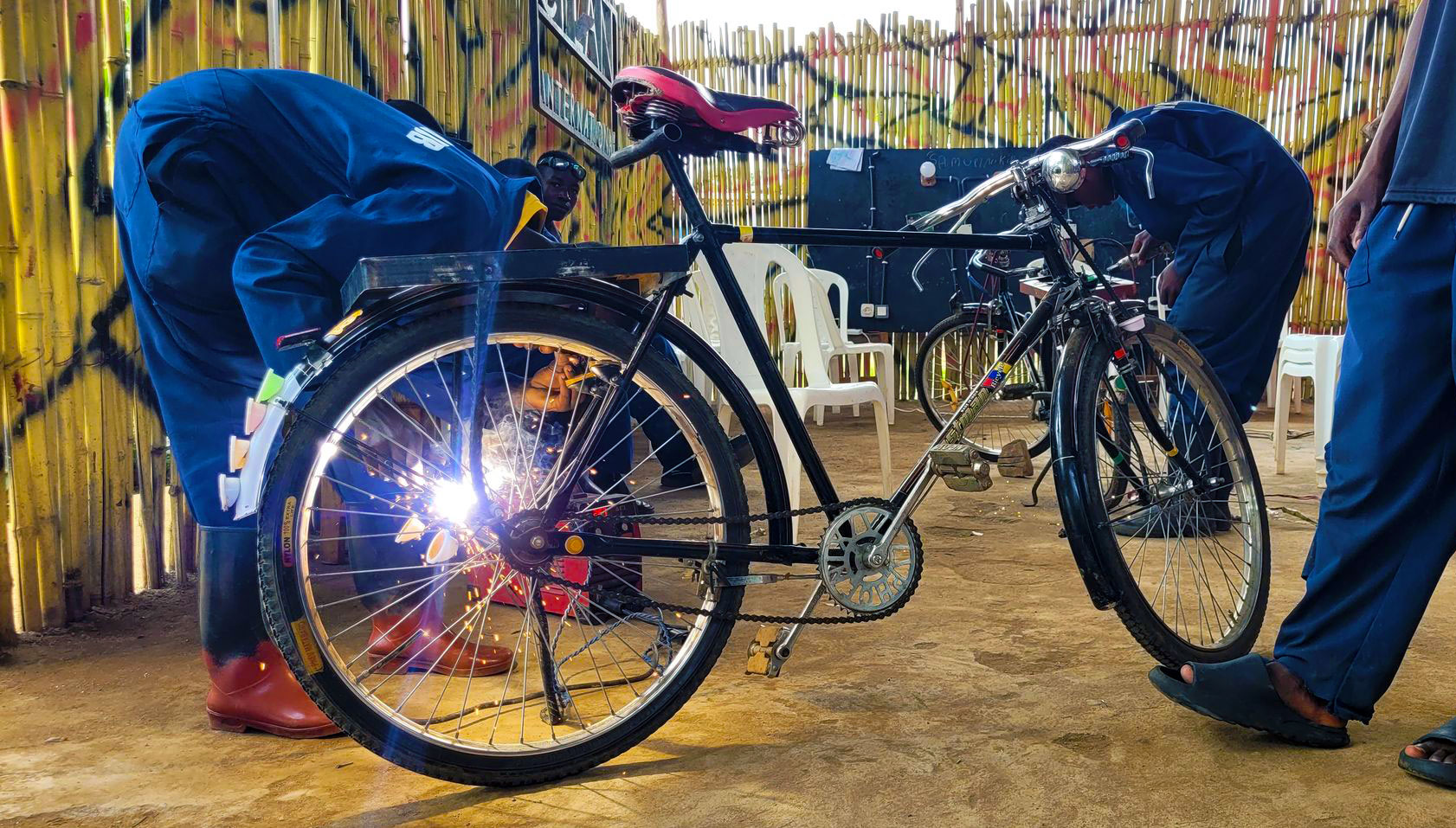
Integrated programs designed around how young people actually live.
Dream Village Rwanda operates three interconnected program pillars: Health Care, Youth Empowerment, and Agriculture.
Together, they form a comprehensive system that ensures young people, especially those living with HIV, have the support they need to stay healthy, build livelihoods, and thrive.
This is not a set of separate projects. It is a coordinated approach that addresses the full reality of young people’s lives.
Our Three Program Pillars
HEALTH CARE
Improving HIV outcomes and youth wellbeing.
We deliver:
- CATS peer-led support
- HIV testing and linkage to care
- Treatment adherence support
- Mental health services
- Comprehensive Sexuality Education (CSE)
- AGYW (Adolescent Girls and Young Women) programs
Focus: Health security and behavior change
YOUTH EMPOWERMENT
Building skills and economic independence.
We deliver:
- SOYEE Hub vocational training
- Rwanda Nook Hub learning spaces
- Financial literacy training
- Business development and entrepreneurship
Focus: Income generation and independence
AGRICULTURE
Creating sustainable livelihoods through farming
- Moringa production and agribusiness
- Agroforestry and climate-smart farming
- Vegetable and staple crop production
- Vocational Training Center (VTC) for agriculture
Focus: Food security and economic resilience
Why We Integrate Programs
Health without opportunity leaves young people dependent.
Opportunity without health leaves them vulnerable.
Agriculture without skills limits income.
Dream Village integrates all three pillars because young people are not defined by a single need. They require systems that address health, economic realities, and long-term resilience.
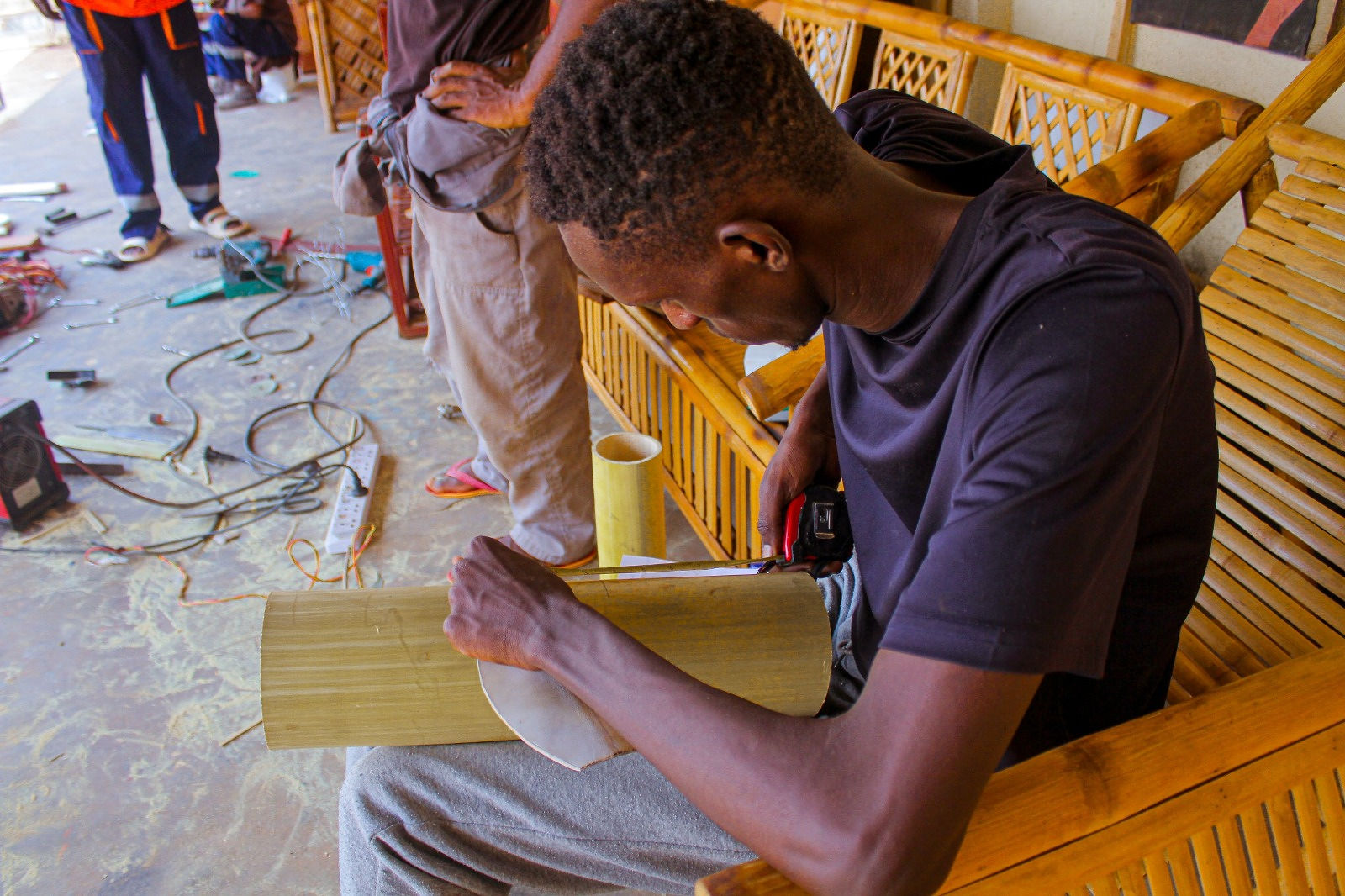

How Our Programs Work Together
This integrated pathway creates sustainable change.
Our Impact
These results demonstrate the effectiveness of an integrated approach.
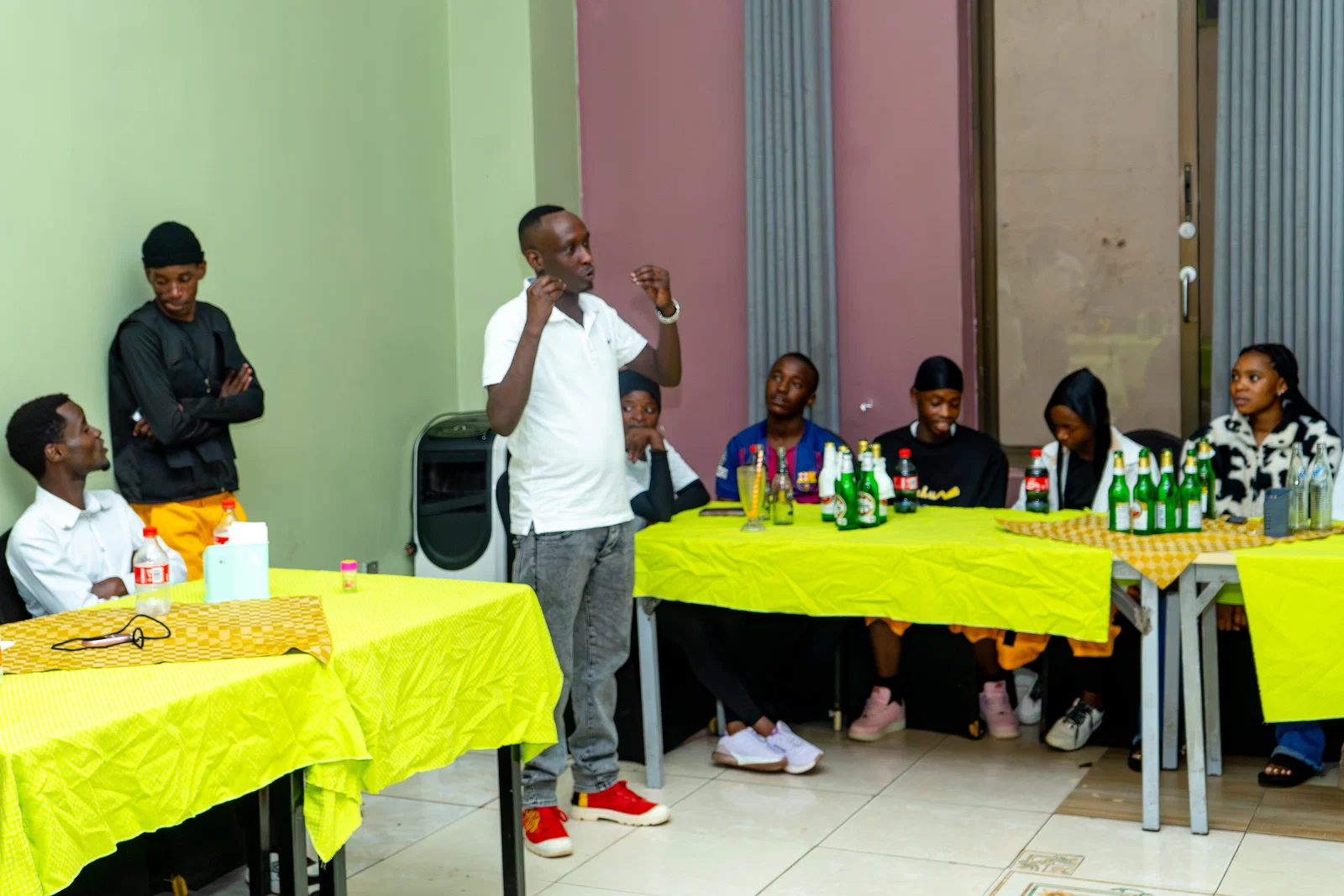
A Model Designed for Scale
Dream Village’s integrated model is designed to scale across Rwanda.
By combining health, empowerment, and agriculture, we address root causes rather than symptoms.
This approach creates sustainable, long-term impact aligned with national priorities.