
Empowering Rwanda’s Youth Through Skills, Opportunity, and Economic Independence
From Vulnerability to Economic Independence
Economic opportunity begins with the right skills and support systems.
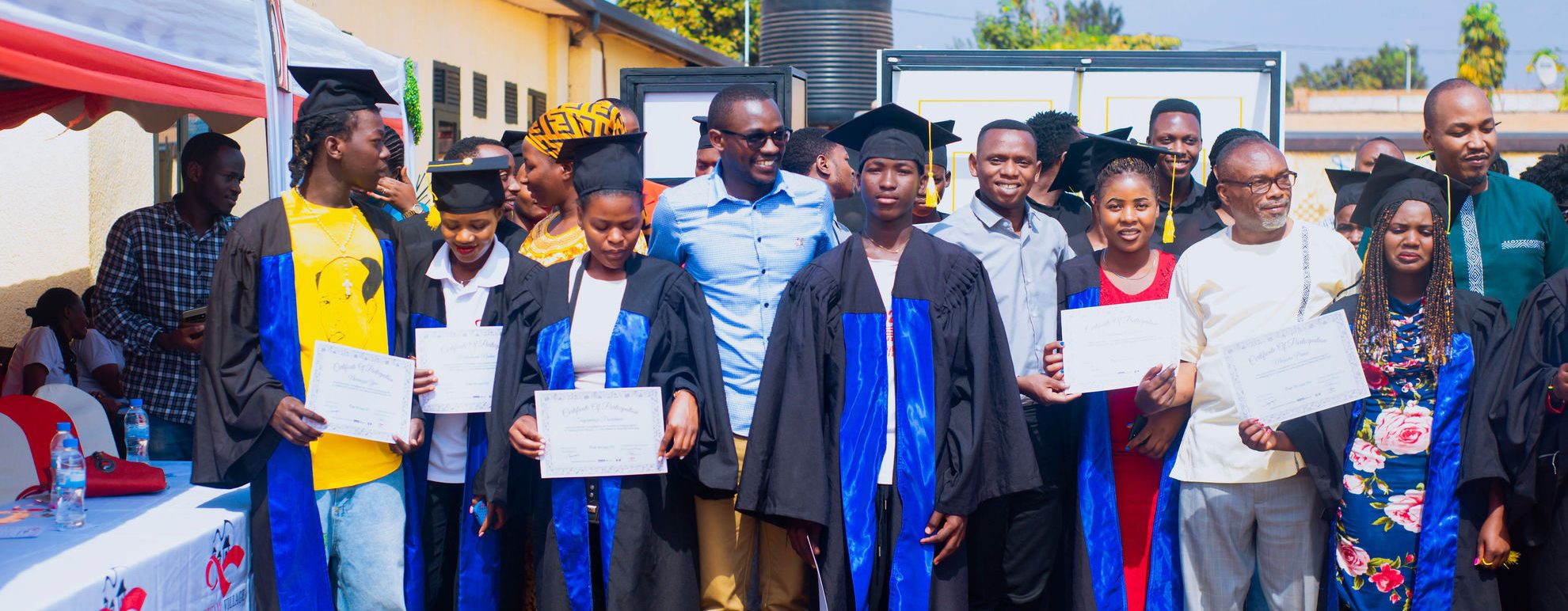
Dream Village Rwanda delivers an integrated youth empowerment program that equips young people with practical skills, financial knowledge, and pathways to employment and entrepreneurship.
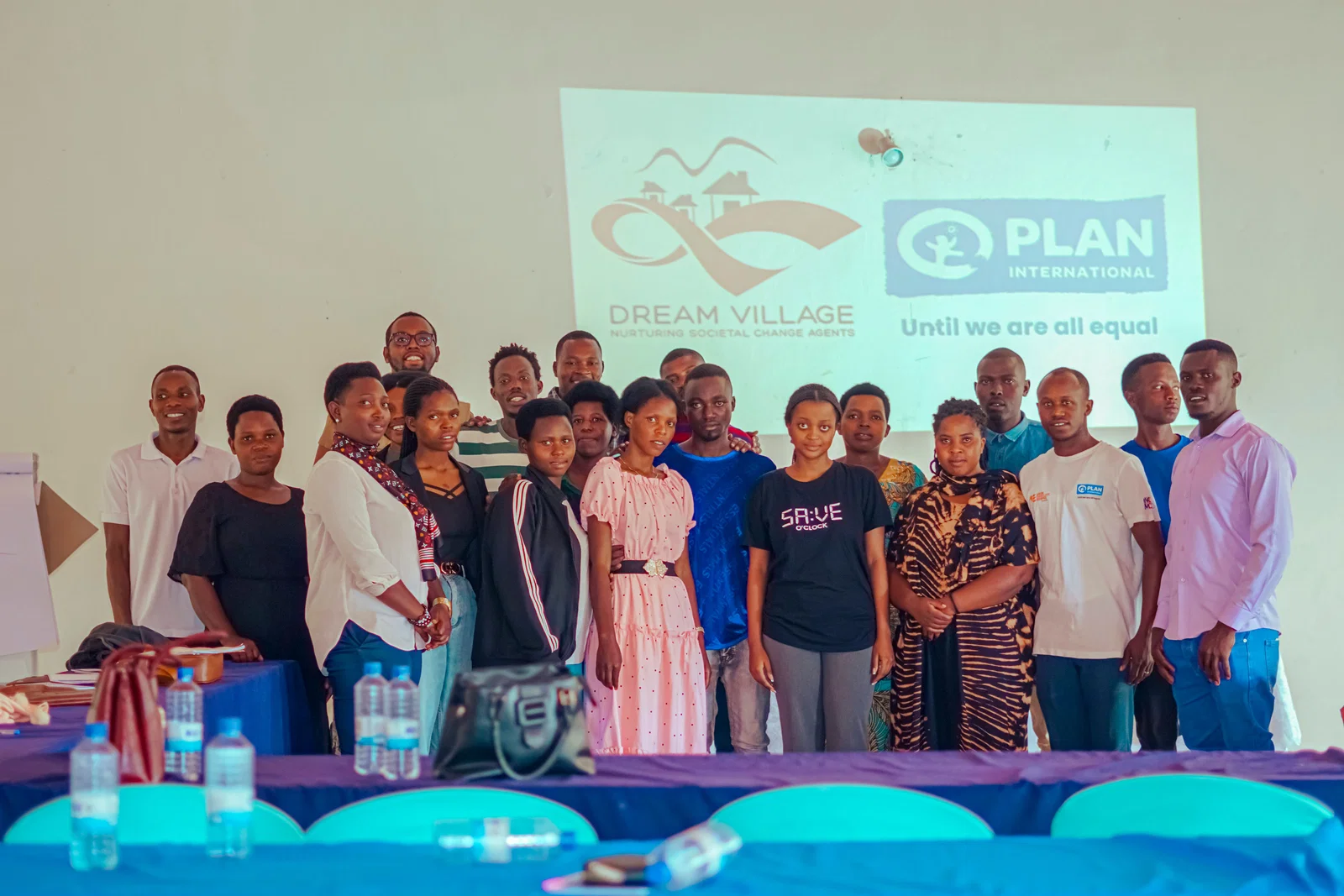
With thousands of youth reached annually and partnerships with organizations such as Plan International Rwanda, we are building a generation of economically independent young leaders.
Why Youth Empowerment Matters in Rwanda
Addressing unemployment, vulnerability, and inequality.
Many young people in Rwanda face barriers to employment, including limited access to skills training, financial resources, and market opportunities.
For young people living with HIV, these challenges are often greater due to stigma, health constraints, and reduced opportunities.
Youth empowerment is not just about jobs. It is about dignity, independence, and the ability to make life choices without economic pressure.
Our Integrated Youth Empowerment Model
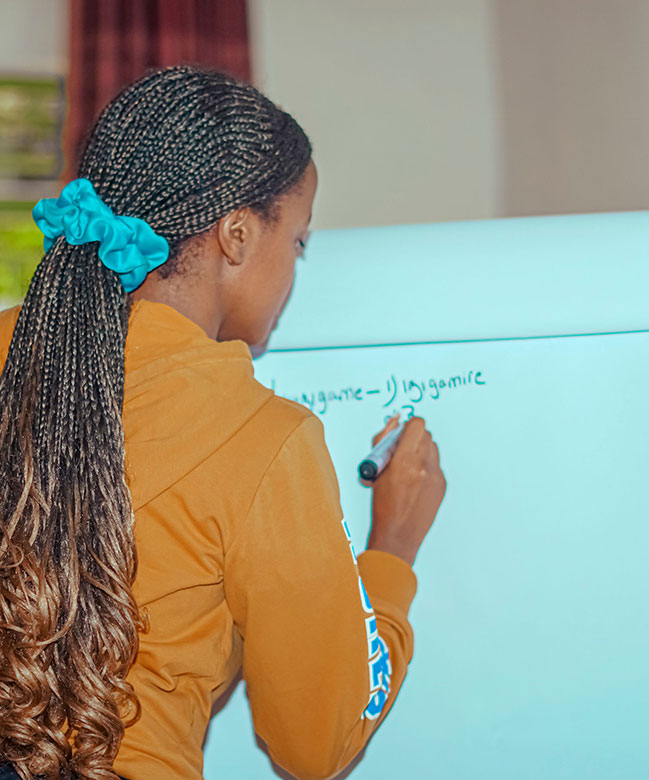
Dream Village’s youth empowerment program combines technical training with real-world support systems to ensure long-term success.
Skills Training
Market-relevant vocational training
We provide hands-on training in:
– Welding
– Tailoring and fashion design
– Carpentry
– Electronics
– Agriculture and agribusiness
These skills are aligned with local market demand to ensure employability.
Financial Literacy
From skills to sustainable income
Participants learn:
– Business planning
– Savings and budgeting
– Access to microfinance
– Entrepreneurship fundamentals
This enables young people to start and manage their own income-generating activities.
Startup Kits and Market Access
Turning training into livelihoods
Graduates receive:
– Toolkits for their trade
– Linkages to markets
– Ongoing mentorship and support
This ensures that training leads to real economic outcomes.
How the Program Works
Participants move through a clear journey:
1. Skills training
2. Financial literacy and business development
3. Startup support and mentorship
4. Income generation and growth
This system ensures that young people do not just learn skills but use them effectively.
Our Results So Far
Why Economic Empowerment Improves Health
Economic stability directly impacts health.
Young people with income are more likely to:
– Stay on HIV treatment
– Access healthcare services
– Avoid risky behaviors driven by economic need
By integrating empowerment with health programs, Dream Village addresses the root causes of vulnerability.
More Than Training. A Pathway to Independence
Dream Village’s youth empowerment program is designed to move beyond short-term training into long-term economic transformation.
By combining skills, financial literacy, and system integration, we create pathways for sustainable livelihoods that can scale across Rwanda.