
Moringa Project: Nutrition, Sustainability, and Youth Economic Empowerment
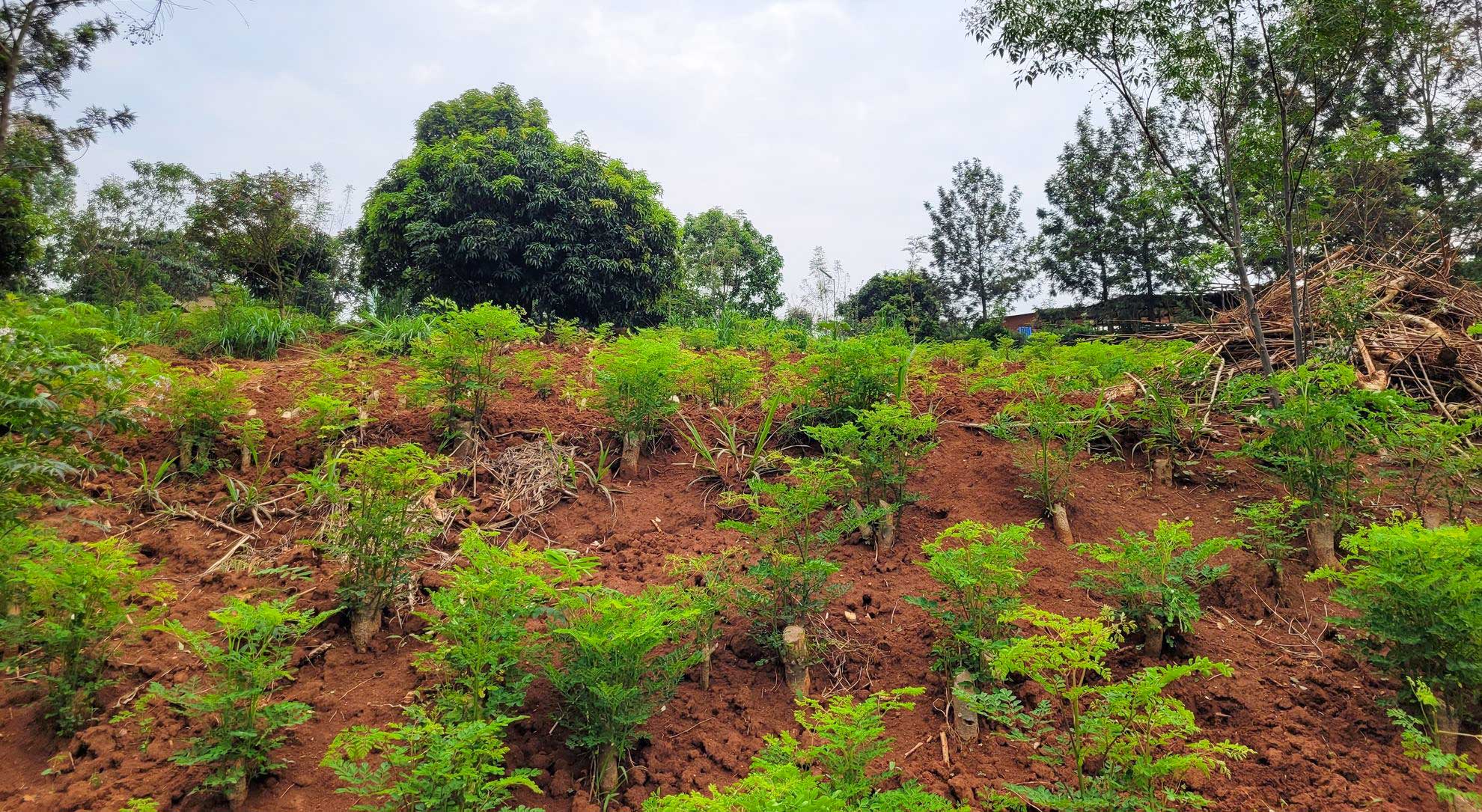
Growing Opportunity Through Moringa
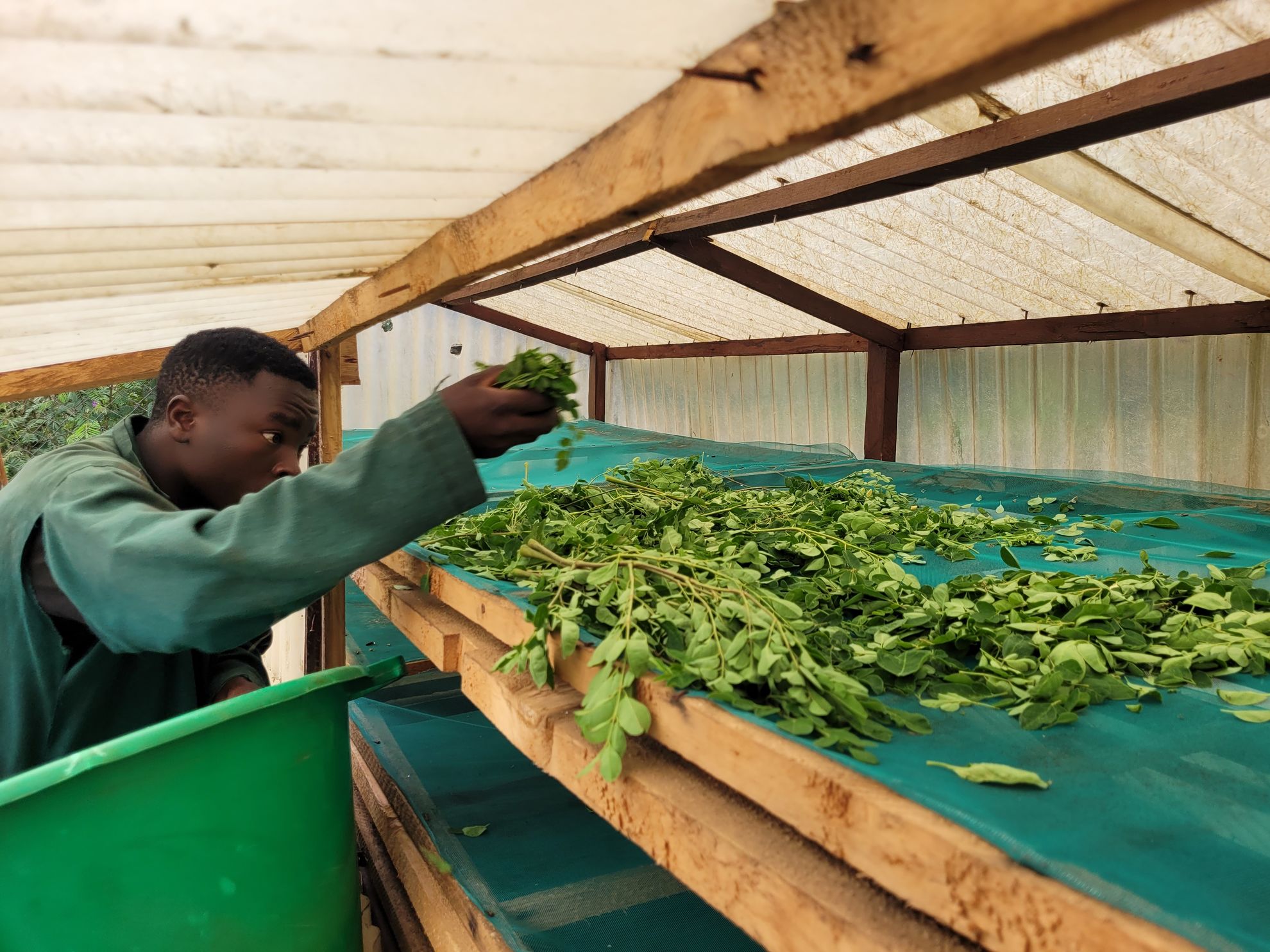
Dream Village Rwanda’s Moringa Project combines agriculture, nutrition, entrepreneurship, and sustainability to create long-term opportunities for young people and communities.
The project focuses on cultivating and processing moringa, often referred to as the “Miracle Tree” because of its nutritional and health benefits.
Through practical training and value-added production, the project helps youth develop agribusiness skills while promoting healthier communities and sustainable livelihoods.
Why Moringa Matters
A nutrient-rich plant with economic and health potential.
Moringa is known for its high nutritional value and wide range of uses.
It contains:
– vitamins and minerals
– antioxidants
– plant protein
– essential nutrients supporting – overall wellbeing
Moringa can also be processed into multiple value-added products, making it an important opportunity for sustainable agribusiness and youth enterprise development.
Moringa Products
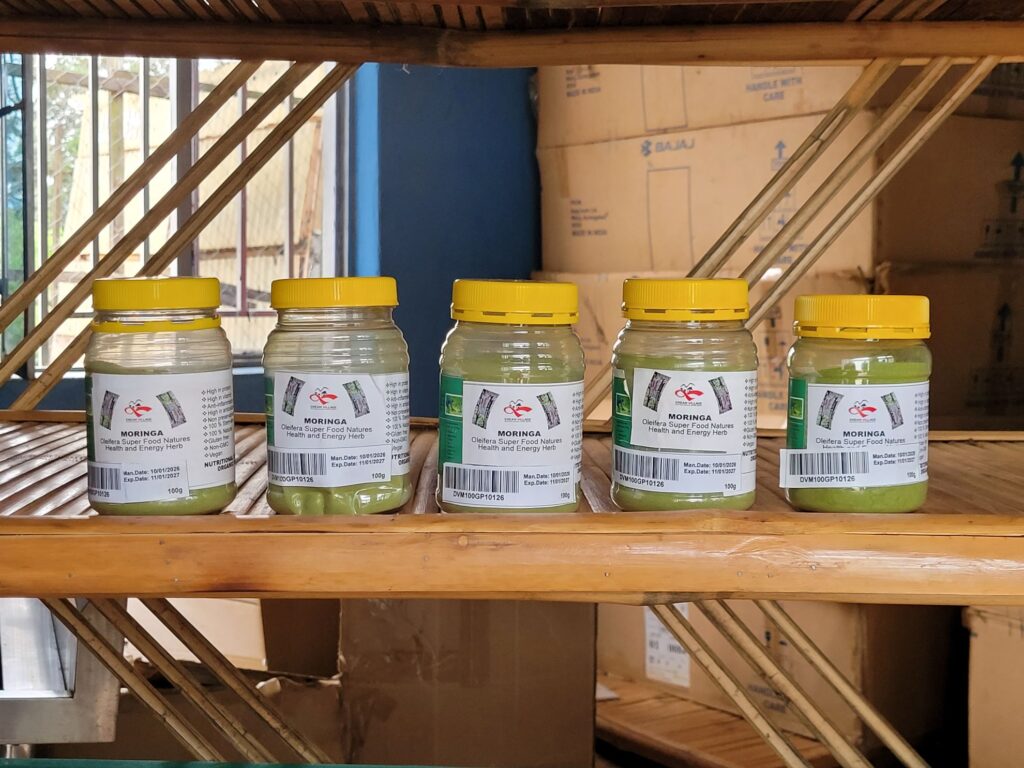
Nutrient-rich moringa powder used to support healthy diets and wellness.
Moringa-based skincare and wellness products developed through local innovation.
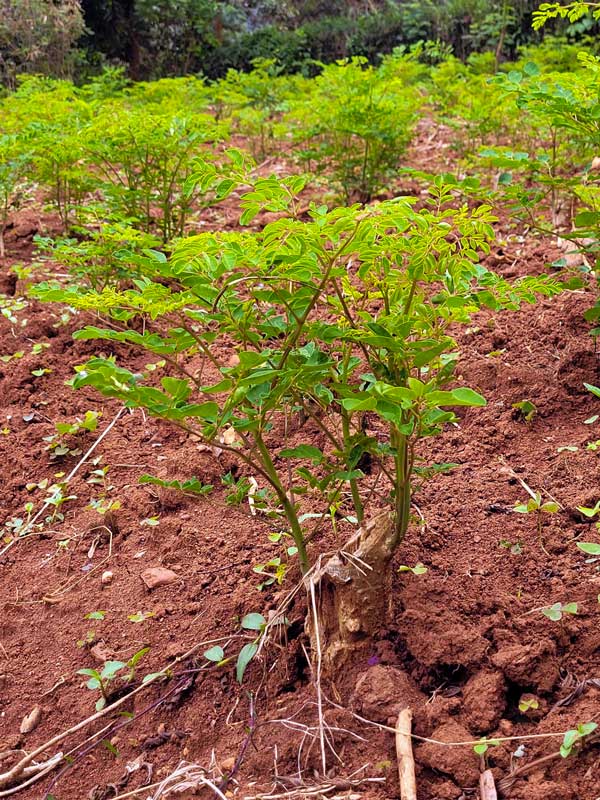
Sustainable Moringa Farming
The project combines environmental sustainability with practical agribusiness learning.
Current Production
Approximately 500kg per season
Growth Target
Increase production to 1,000kg per season by 2027
Training Youth Through Agriculture
The Moringa Project provides young people with training in:
– moringa cultivation
– harvesting and processing
– packaging and product development
– agribusiness and marketing
– sustainable farming techniques
Participants gain both technical agricultural skills and entrepreneurship experience.
Supporting Nutrition and Community Wellbeing
The Moringa Project supports broader health and nutrition goals by promoting access to nutrient-rich products within communities.
This aligns with Dream Village’s integrated approach connecting:
– health care
– nutrition
– youth empowerment
– sustainable livelihoods
The project also contributes to awareness around healthy diets and food security.
A Youth-Led Social Enterprise
This model strengthens both economic opportunity and long-term resilience.
Integrated With Other Dream Village Programs
The Moringa Project works closely with:
– Agroforestry initiatives
– Vocational Training Center programs
– Youth empowerment and entrepreneurship activities
– Nutrition and health interventions
This integrated approach helps create more holistic pathways for youth development.
Scaling Sustainable Moringa Enterprise
Dream Village aims to:
– increase moringa production capacity
– expand value-added product lines
– strengthen youth agribusiness opportunities
– improve market access and partnerships
The long-term vision is to position the Moringa Project as a leading youth-driven agriculture and wellness initiative in Rwanda.